Our Community
Our Artist
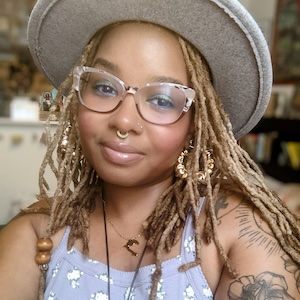
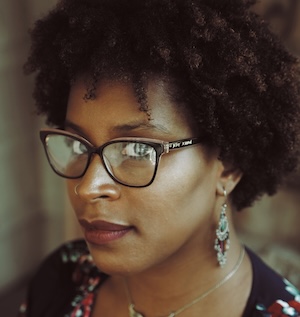
Our Digital Artist in Residence, Soraya Jean-Louis, is a Haitian born, Harlem and Brooklyn raised mixed media queer womynist artist currently living and loving in New Orleans. Soraya is the co-founder of Wildseeds: New Orleans Octavia Butler Emergent Strategy Collective. Wildseeds' work, steeped in Black feminist traditions of survival and healing, engages Octavia Butler and other F/SF authors as a resource for social change. In 2014, Soraya was awarded the Alternate ROOTS Visual Scholars grant. In 2015, she served as the creative facilitator, curator, and contributing artist for Wildseeds' “Sacred Space” at Exhibit BE and co-organizer of Black Futures Fest: A Celebration of the Black Fantastic in New Orleans.
Our Organizers
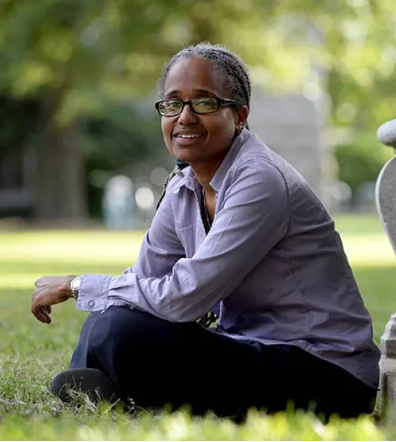
Laura Rosanne Adderley specializes in the History of the African Diaspora; the Atlantic Slave Trade, Black Enslavement in the Americas, Caribbean History, and African-American History. She is currently working on a monograph titled "Practicing Emancipation: Slave Ship Survivors, Atlantic Abolition, and the Everyday Politics of Freedom," focusing on the earliest Africans rescued from illegally operating slave ships and re-settled by British colonial authorities between 1807 and 1819, mostly in Antigua, the Bahamas and Tortola.
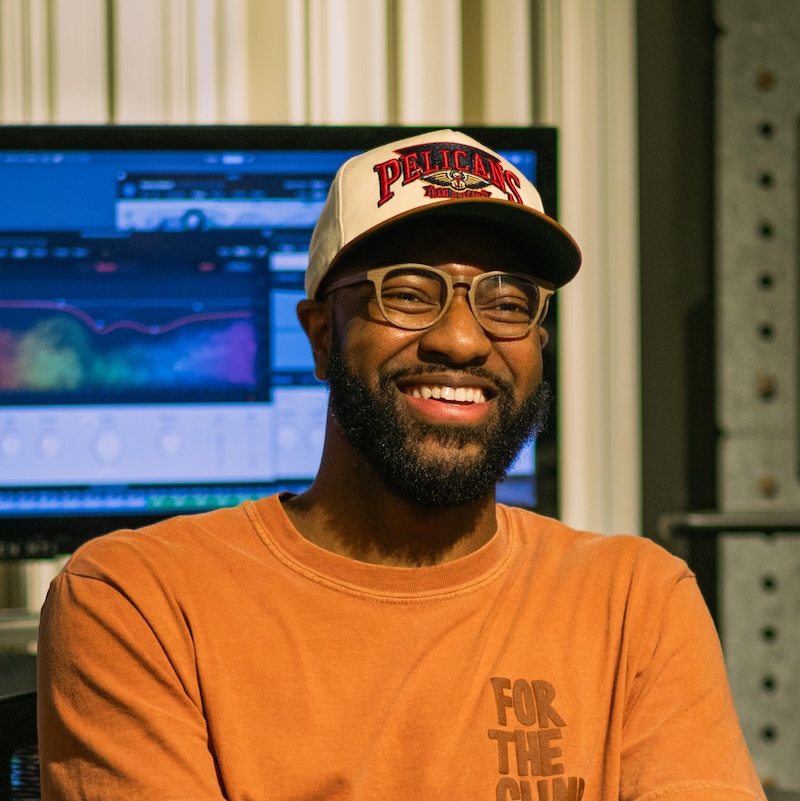
Musician, producer, beat-maker, songwriter, and film composer Raney Antoine, Jr placed his stake in music at age 7 playing drums in his grandfather’s church. His rhythmic roots grew over to melody at age 12, moving to piano as his primary instrument. Gospel, rhythm and blues, hip-hop, and jazz occupy Raney’s musical palette for melody, rhythm, and message. He made his producer-artist debut in the summer of 2018 with two singles: R&B crooner “Lovestruck” and cocky hip-hop offering “The Man.” No matter the genre or venue, Raney’s goal is to create memorable experiences. As an educator, his goal is to demystify both the craft and industry of music. Being a student of the craft is a never ending journey, thus, the journey continues.
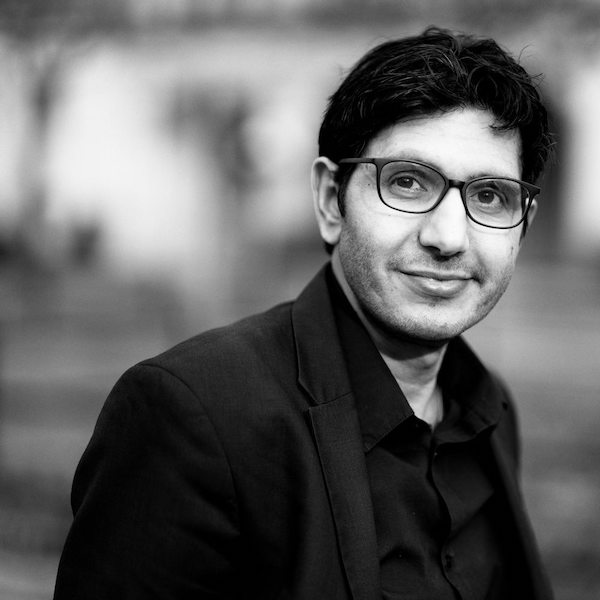
Alex Gil (he/him) is Senior Lecturer II and Associate Research Faculty of Digital Humanities in the Department of Spanish and Portuguese at Yale University. He is currently senior editor of archipelagos journal. He has been a prolific producer and contributing team member of many recognized digital humanities projects and scholarly software including, Torn Apart/Separados, In The Same Boats, and more recently, (Un)Silencing Slavery.
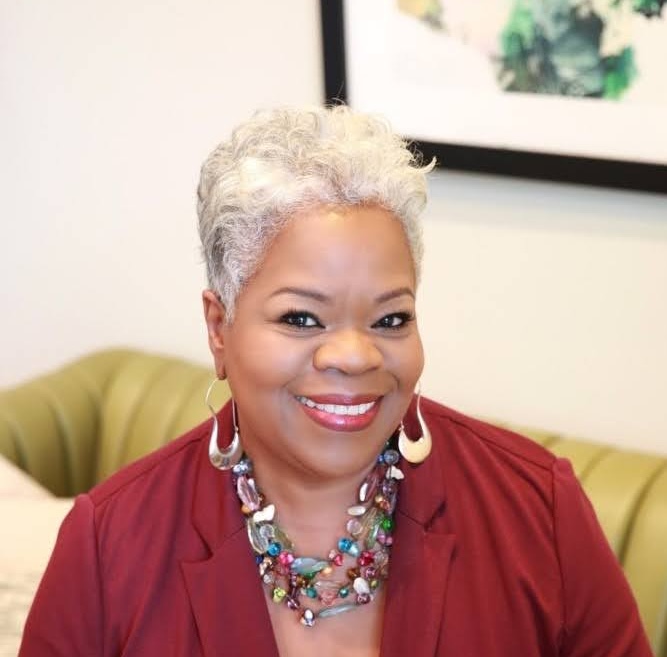
Kathe Hambrick is the Executive Director of the Amistad Research Center, an independent research center in New Orleans, the largest independent Black research center in the country. She is the Founder and former Executive Director of the River Road African American Museum in Donaldsonville, established in 1994 as Louisiana’s first African American museum. She also previously served as the Chief Curator and Director of Interpretation for the West Baton Rouge Museum. Her career as a museum professional includes an expertise in program development, interpretative planning, curation, grant writing, fundraising, and board governance. In 2021, Hambrick established the consulting firm, 2PRESERVE that provided cultural resource guidance to corporations, museums, cultural centers, government agencies, and faith-based organizations. She is a past President of the National Association of African American Museums.
Jessica Marie Johnson is an Associate Professor in the Department of History at the Johns Hopkins University and author of Wicked Flesh: Black Women, Intimacy, and Slavery in the Atlantic World (Penn Press, 2022). She is the Director of LifexCode: Digital Humanities Against Enclosure, a PI on Black BeyondData, and on the Black Press Research Collective with Kim Gallon and Alexandre White. She is co-PI on the Diaspora Solidarities Lab a virtual Black feminist pedagogies and practice lab.
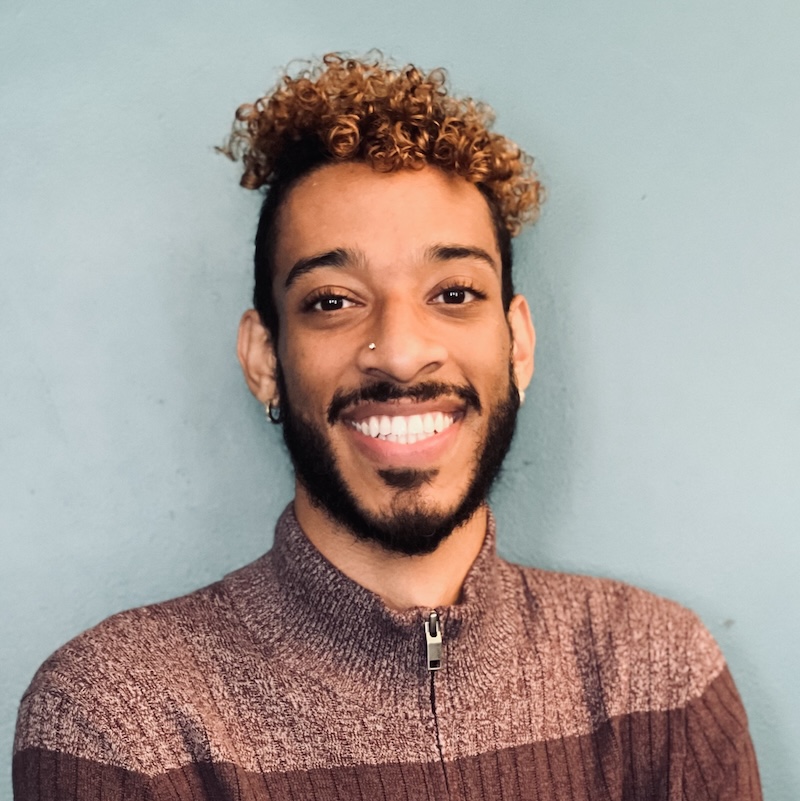
Pyar Seth is an Assistant Professor at the University of Notre Dame. He received his PhD in Anthropology and Political Science from Johns Hopkins University. Prior to moving to South Bend, he was a Visiting Research Scholar in the History of Medicine at King’s College London. He was also a Robert Wood Johnson Health Policy Research Scholar. Much of his research focuses on the history of medicine and science, with a specific emphasis on biological reductionism, embodiment, policing, actuarialism, and postcolonial theory.
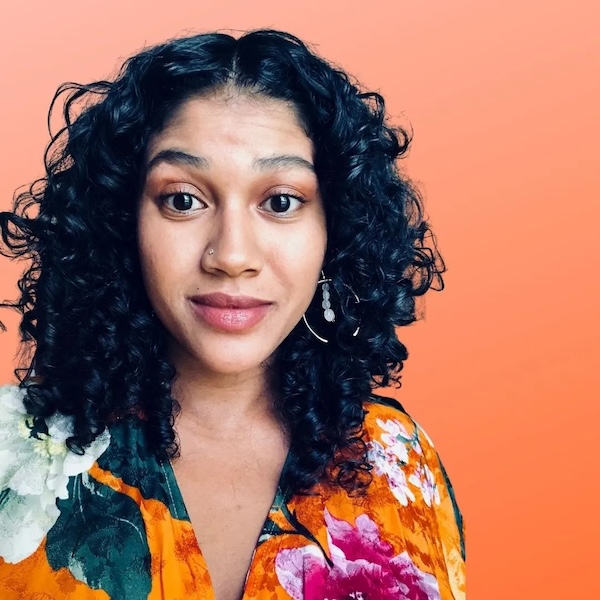
Dr. Nadejda I. Webb is the Assistant Director of LifexCode: Digital Humanities Against Enclosure and Assistant Research Professor at Johns Hopkins. She is also the Vice Chair of the American Studies Association Digital Humanities Caucus. Dr. Webb’s teaching and research interests include 20th- and 21st-century African American and postcolonial literature, as well as digital humanities, imaginaries, and representation. Webb’s research has been supported by the Andrew W. Mellon Foundation, the Social Science Research Council, Columbia University’s Center for Oral History, the USC Annenberg School for Communication and Journalism, and Vanderbilt University. She earned a joint Ph.D. in English and Comparative Media Analysis and Practice from Vanderbilt University and a B.A. in English Language and Literature from CUNY Hunter College.
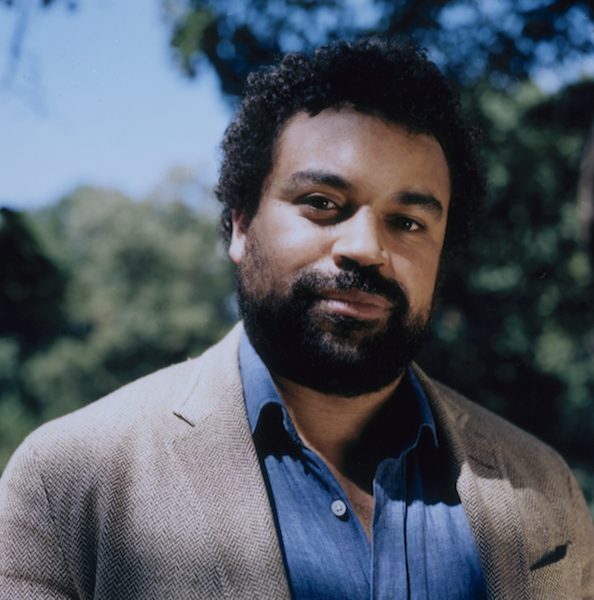
Alexandre White is an Assistant Professor of Sociology and of the History of Medicine at Johns Hopkins University and School of Medicine. He is the PI of Underwriting Souls, a project to digitize the archives of Lloyd’s, the insurance market pertaining to the trans-Atlantic slavery. In addition to his role as faculty, he is also the Associate Director for the Center for Medical Humanities and Social Medicine.
Our Editorial Team
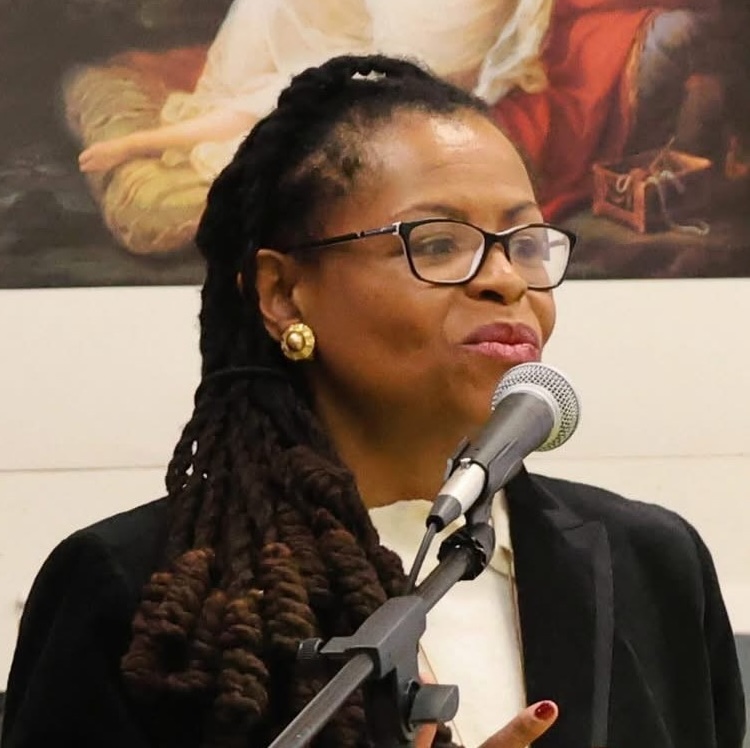
Dr. Andrea Roberts is an Associate Professor of Urban and Environmental Planning and the director of the Center for Cultural Landscapes at the University of Virginia. Roberts created The Texas Freedom Colonies Project Atlas and leads the Mellon Foundation-supported Outsider Preservation Initiative, which documents and funds descendant communities’ historic preservation efforts in Texas, Louisiana, Virginia, California, and Canada. She is the author of the forthcoming book, Never Sell the Land: Freedom Colonies, Black Storytelling, and Keeping Home, to be published by The University of Texas Press.
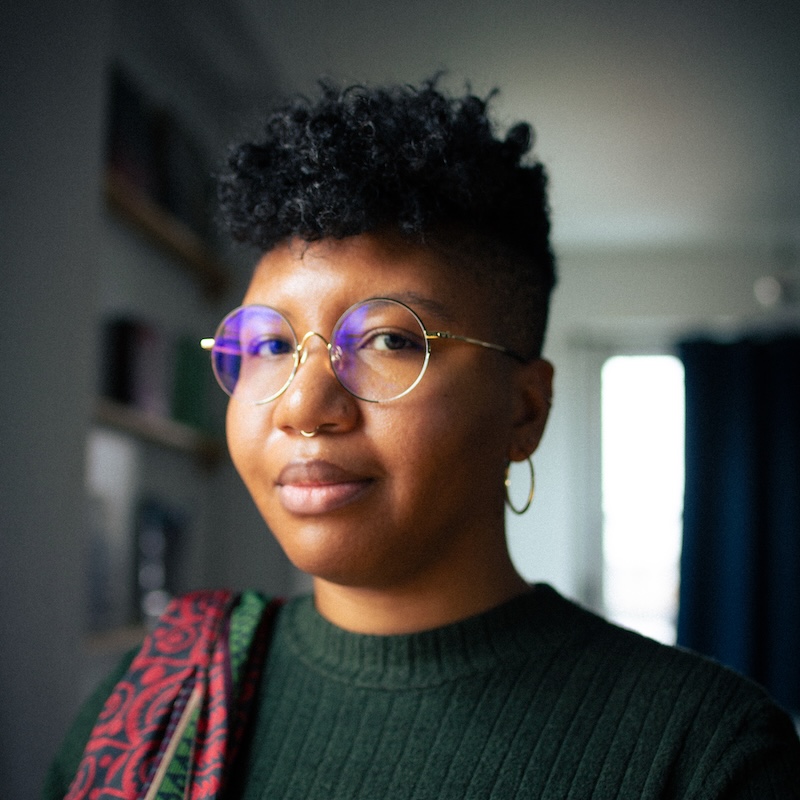
Dr. Elise A. Mitchell is an assistant professor in the Department of History at Swarthmore College. Broadly, her work examines the social and political histories of embodiment, healing, disease, race, and gender in the early modern Atlantic World, with a focus on the Caribbean region. Her first book, Morbid Geographies: Enslavement, Epidemics, and Embodiment in the Early Modern Atlantic World is under contract with Penn Press. She is also an editorial board member of Atlantic Studies and an editor and founding board member of Insurrect! Radical Thinking in Early American Studies.
Amistad Research Center Team
Felicia D. Render ❖ Lisa Moore ❖ Jennifer Long ❖ Valenetta Rainey ❖ Lana Meyon
Our Special Guests
Sha’Condria “Icon” Sibley ❖ Cassie Watson Francillon ❖ Knockaz Brass Band ❖ Chief Shaka Zulu of the GoldenFeather Mardi Gras Indian Nation
Our Sponsors
Mellon Foundation ❖ Amistad Research Center ❖ Black Beyond Data Ecosystem ❖ Diaspora Solidarities Foundation ❖ Johns Hopkins University Krieger School of Arts and Sciences ❖ Tulane University ❖ Loyola University of New Orleans.